Building Strength At Home

Building Strength In and Out the Gym

  • Sugar is everywhere — from the obvious sweets to hidden ingredients in sauces, breads, and even “healthy” snacks. While it may taste delicious, excessive sugar intake can have serious negative effects on your health.

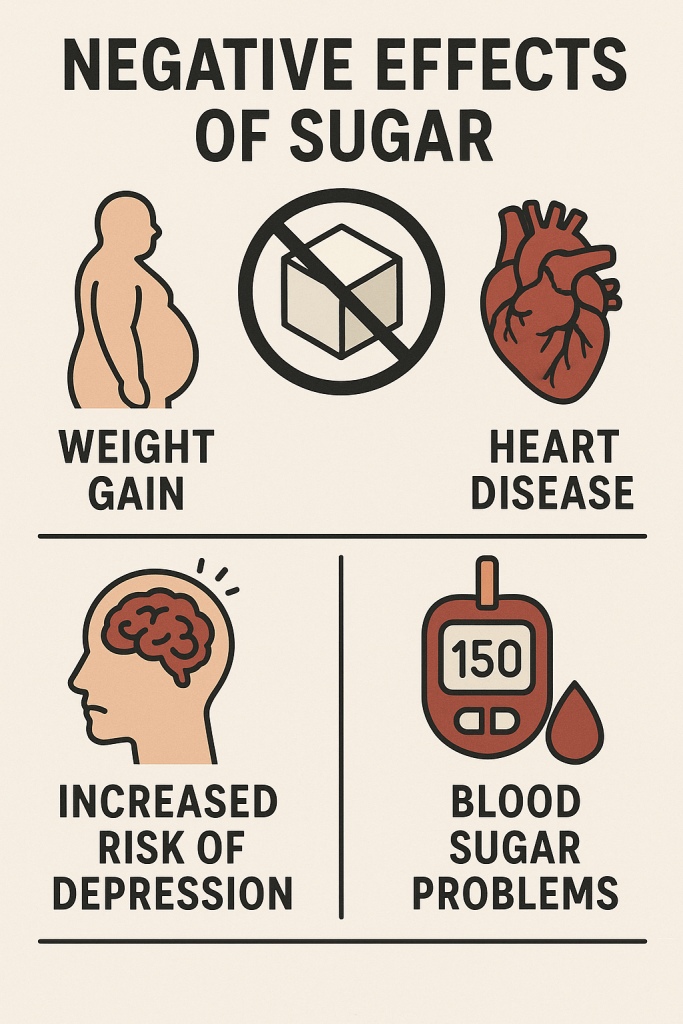
    First, sugar contributes to weight gain. High-sugar foods are often high in calories but low in nutrients, leading to overeating without truly nourishing the body. Over time, this can increase the risk of obesity, which itself is linked to many chronic diseases.

    Sugar also wreaks havoc on your blood sugar levels. Frequent spikes and crashes can lead to insulin resistance, paving the way for type 2 diabetes. Additionally, diets high in sugar are associated with heart disease, as they can elevate blood pressure, inflammation, and triglyceride levels.

    Beyond physical health, sugar impacts mental well-being too. Studies suggest that high sugar consumption can increase the risk of depression and anxiety. It creates a temporary “high” followed by a crash, affecting mood and energy levels.

    Reducing sugar isn’t about giving up all sweet foods — it’s about being mindful. Focus on whole foods, check labels, and choose natural sources like fruits when you need a sweet fix.

    Your body — and mind — will thank you.

  • We’ve all experienced moments where anger gets the best of us. But losing your temper can have more serious consequences than just a few harsh words or slammed doors. Frequent outbursts can harm both your mental and physical health, as well as your relationships.

    Health Impacts: Chronic anger increases stress hormones like cortisol, leading to high blood pressure, weakened immune response, and even a greater risk of heart disease. Over time, these effects can silently wear down your body.

    Relationship Damage: Losing your temper can deeply hurt the people around you. Words spoken in anger are often remembered long after an apology, eroding trust and damaging connections with friends, family, and coworkers.

    Mental Strain: Constant anger can leave you feeling exhausted, anxious, and even depressed. It creates a negative cycle where stress feeds more anger, making it harder to find peace and emotional balance.

    Learning to manage anger isn’t just about staying calm—it’s about protecting your health, nurturing your relationships, and building a happier, more resilient life. Taking a few deep breaths, stepping away from the situation, or seeking support when needed can make a world of difference.

  • In a world that celebrates hustle and constant productivity, taking a day off can sometimes feel like a luxury — or even a weakness. But in reality, regular rest is essential for long-term success, mental health, and physical well-being.

    A day off gives your body time to recover from the demands of daily life. Whether you’re working out hard, building a business, or juggling family responsibilities, constant strain without proper rest can lead to burnout, injuries, and a dip in performance. Rest days help reduce stress levels, improve sleep, and even boost creativity.

    Mentally, stepping away from your routine allows you to reset your mind, gain new perspectives, and return to your goals with fresh energy and motivation. It’s during those quieter moments that some of the best ideas are born.

    Remember, taking a day off isn’t lazy — it’s smart. It’s an investment in your future self. So whether it’s a full day of relaxation, a leisurely walk in nature, or just time spent with loved ones, give yourself permission to pause. Your body and mind will thank you.

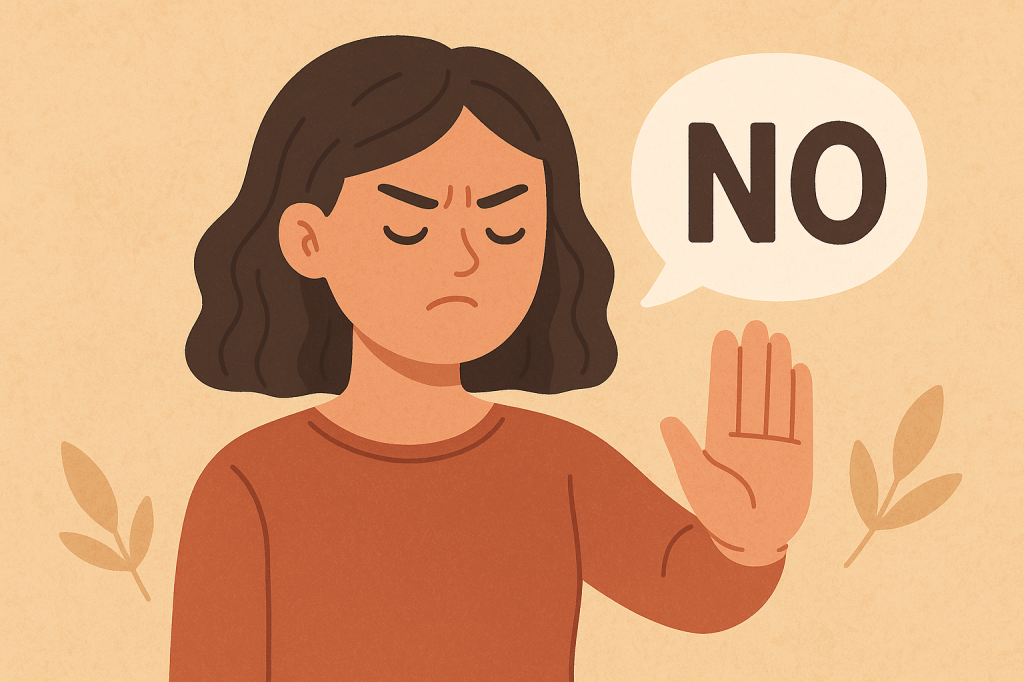
  • In a world that constantly demands more of our time, energy, and attention, learning to say “no” is one of the most powerful skills you can develop. Whether it’s turning down extra work, declining social events, or setting boundaries with loved ones, saying no isn’t selfish—it’s self-care.

    Saying yes to everything often leads to burnout, resentment, and a loss of focus on what truly matters to you. When you say no, you create space for rest, personal growth, and the goals that align with your values. It’s not about shutting people out—it’s about honoring your limits.

    Remember: every “no” is a “yes” to something else—your health, your priorities, your peace. And that’s more than okay—it’s necessary.

  • Lately, I’ve been toying with the idea of running a marathon. It’s one of those big, bold goals that feels a little intimidating—but also kind of exciting. Whether you’re a seasoned runner or just starting to get your cardio in, training for a marathon can do more than just get you across a finish line.

    The Benefits Go Beyond the Miles:

    Mental toughness: Training teaches you discipline and resilience. Showing up day after day, especially on the hard days, builds serious mental grit. Improved health: Long-distance running boosts cardiovascular health, strengthens your joints and muscles, and can help with weight management. Stress relief: There’s something incredibly calming about logging miles, being in your zone, and letting your mind unwind. A sense of accomplishment: Finishing a marathon is no small feat. The pride and confidence that come with it are unmatched.

    So, am I officially signing up? Not just yet. But I’m seriously considering it—and if you’ve ever thought about it too, maybe now’s the time to start exploring the idea.

    Would you ever run one?

  • Running is one of the most accessible and effective forms of exercise. Whether you’re jogging around the block or training for a marathon, the benefits of running go far beyond just burning calories.

    1. Boosts Cardiovascular Health

    Running strengthens your heart and improves circulation, reducing the risk of heart disease, high blood pressure, and stroke. Even just 30 minutes a few times a week can make a big difference.

    2. Supports Mental Health

    Ever heard of the “runner’s high”? Running releases endorphins—feel-good hormones that help reduce stress, anxiety, and symptoms of depression. It’s like therapy on the move.

    3. Aids Weight Management

    Running burns serious calories, making it a powerful tool for losing or maintaining weight when paired with a balanced diet.

    4. Strengthens Joints and Bones

    Contrary to the myth that running is bad for your knees, studies show it can actually improve joint health and increase bone density over time.

    5. Improves Sleep and Energy Levels

    Regular running can help regulate your sleep cycle and increase your daytime energy. You’ll feel more alert, focused, and ready to take on the day.

    Whether you’re running for fun, fitness, or mental clarity, the benefits are undeniable. Start small, stay consistent, and watch your body and mind transform.

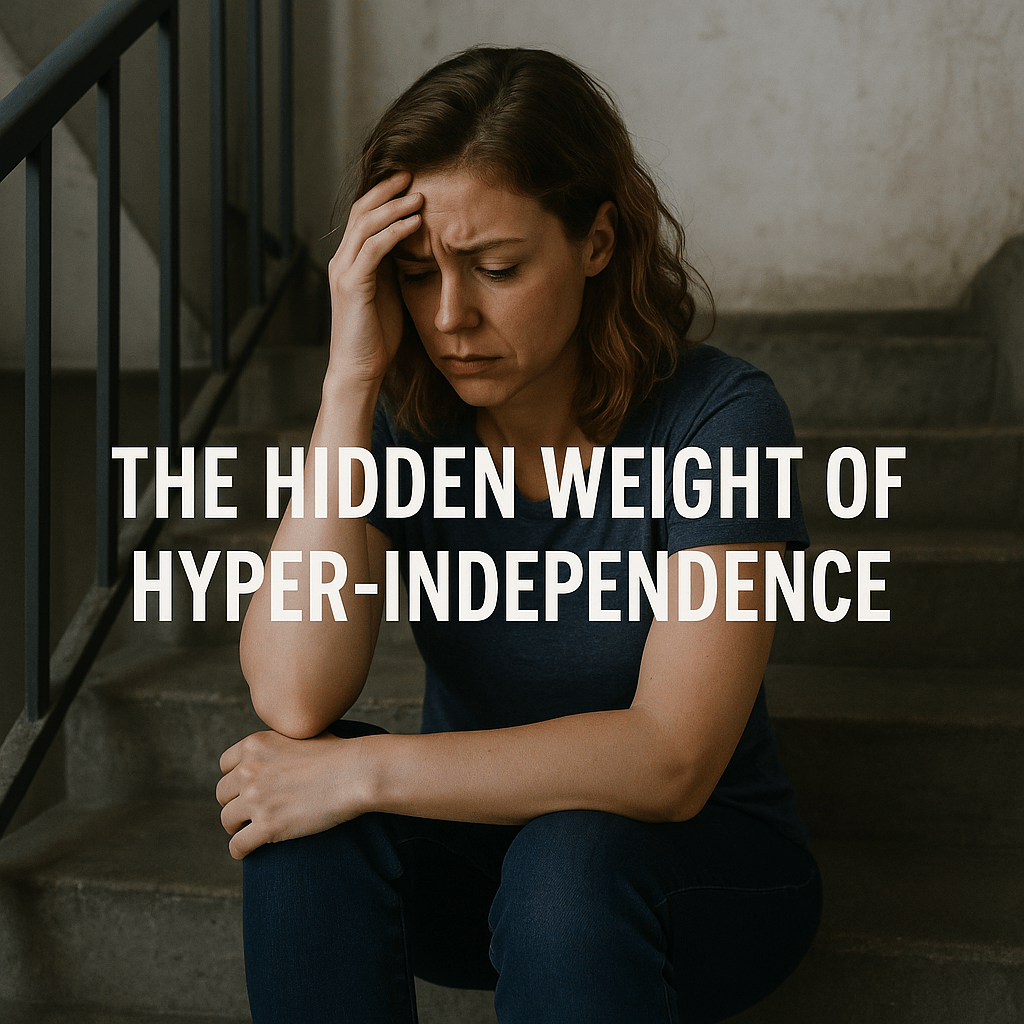
  • We often celebrate independence as a badge of honor—being strong, self-sufficient, and handling life on our own. And while those are admirable traits, there’s a darker side that doesn’t get talked about enough: hyper-independence.

    Hyper-independence often comes from a place of past hurt—betrayals, abandonment, or being let down one too many times. So we build walls. We convince ourselves that we don’t need anyone, that relying on others is weakness.

    But here’s the truth: constantly carrying everything on your own is exhausting. It leads to burnout, loneliness, and disconnection. Even though it looks like strength on the outside, it’s often a silent struggle on the inside.

    Humans are wired for connection. Asking for help, leaning on others, and allowing yourself to be vulnerable isn’t weakness—it’s courage. It’s healing.

    If you’ve been doing everything alone for a long time, this is your reminder: you don’t have to. Let people in. Share the load. You deserve support too.

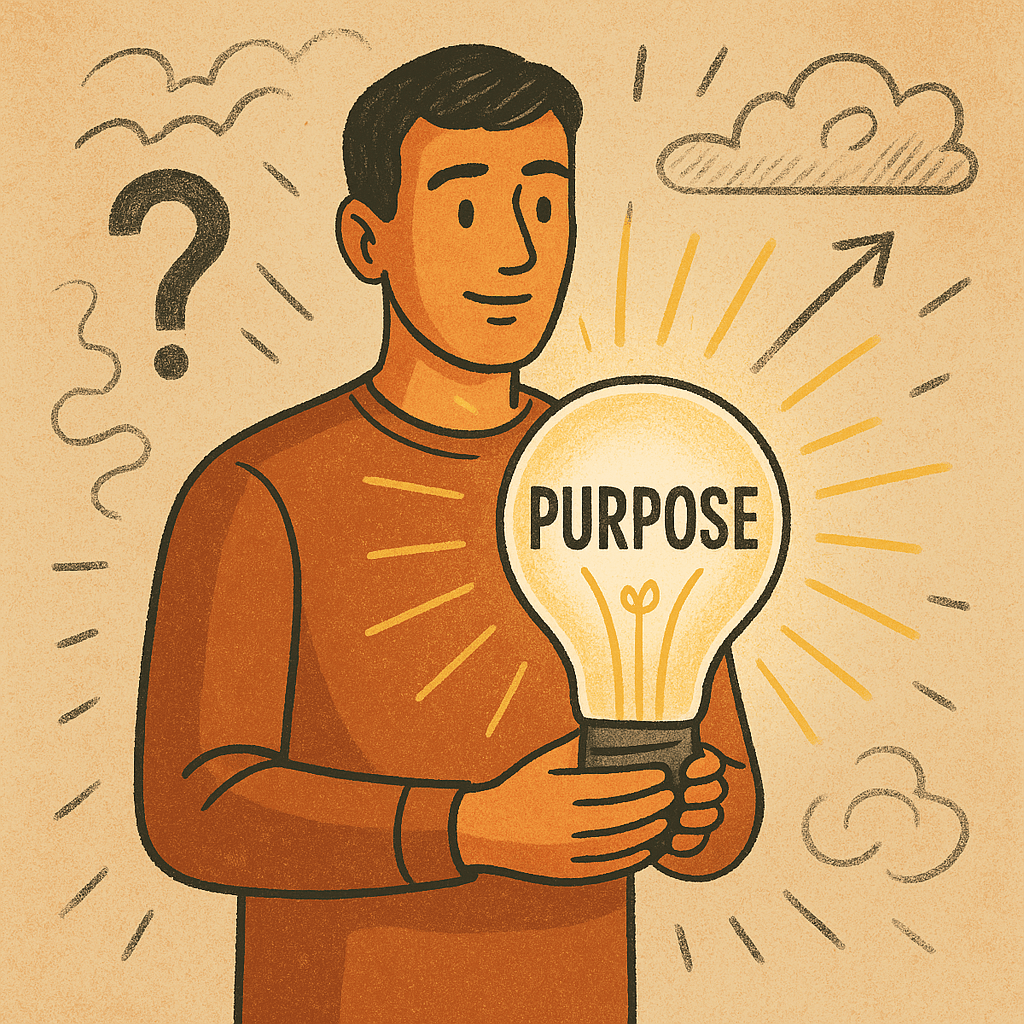
  • I used to think finding your purpose was this big, dramatic moment—like lightning striking and everything suddenly making sense. But the truth is, it’s usually quieter than that. More like a whisper that grows louder the more you listen.

    For a while, I chased things I thought should be my purpose—careers that looked good on paper, goals that sounded impressive, paths other people applauded. But deep down, I felt disconnected. Like I was going through the motions, ticking off boxes that didn’t really belong to me.

    Then one day, in the middle of a regular, messy, not-so-inspirational moment, it hit me: maybe purpose isn’t something you find all at once. Maybe it’s something you build—little by little—by following what lights you up. The things that make you lose track of time. The conversations that leave you buzzing. The people you genuinely want to show up for.

    Finding your purpose isn’t about having it all figured out. It’s about being honest with yourself, tuning in instead of checking out, and having the courage to take one step in a direction that feels true—even if it’s scary.

    You don’t need all the answers. You just need to start listening.

  • Let’s be real—most people think building muscle is just about looking good in the mirror or posting that perfect flex on Instagram. Sure, having some definition feels great, but the benefits of building muscle go way deeper than aesthetics.

    Muscle is your body’s engine. It helps you move better, feel stronger, and live a more active life. From carrying groceries to chasing after your kids or just getting up off the floor without groaning—muscle plays a role in it all.

    Plus, as we age, we naturally lose muscle. That’s just biology. But strength training helps slow that process down, keeping us independent and resilient. And let’s not forget the metabolic boost—muscle burns more calories at rest than fat, which means building it can actually help you manage your weight more easily.

    Mentally, there’s something empowering about lifting heavier, seeing progress, and knowing you’re doing something good for your future self. You don’t have to be a bodybuilder. You just have to start—at your own pace, in your own way.

    So if you needed a sign to lift, move, and challenge your body—it’s this one. Build your strength. Build your confidence. Build your future.

  • Describe a decision you made in the past that helped you learn or grow.

    Life has become simpler.