I’m passionate about working out and building strength at home because it gives me the freedom to create a routine that fits my lifestyle. There’s something empowering about pushing myself in the comfort of my own space, knowing that every workout helps me get stronger, both physically and mentally. It’s not just about the results; it’s the process of challenging myself and seeing progress, all while enjoying the flexibility and convenience of training at home.
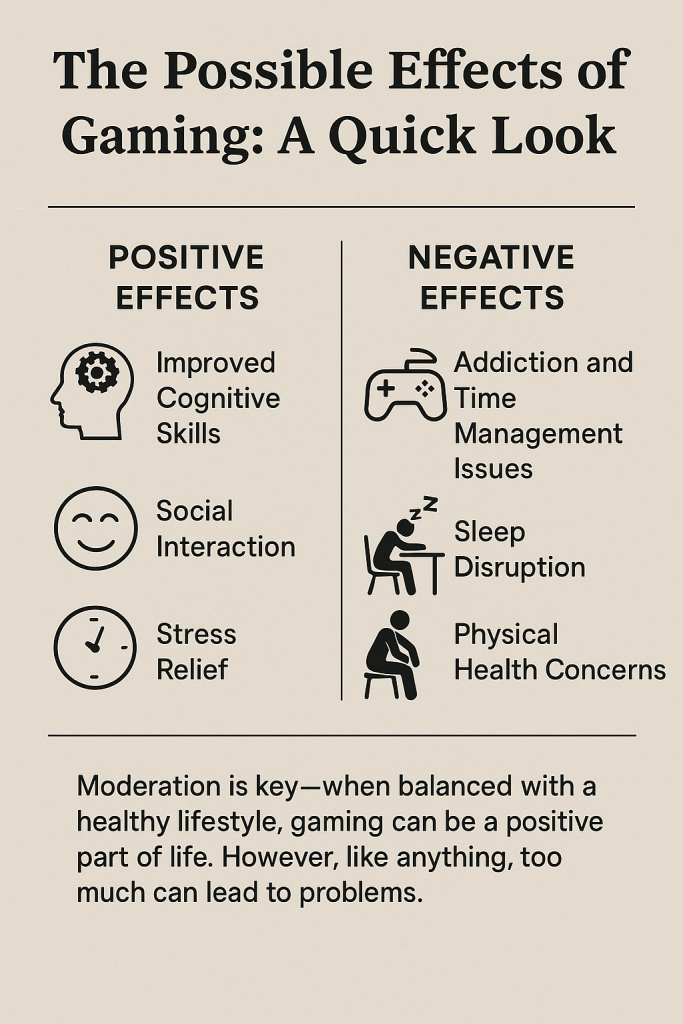
Gaming has become a major part of modern entertainment, with millions of people worldwide spending hours immersed in virtual worlds. While gaming can be fun and even educational, it’s important to consider both the positive and negative effects it can have.
Positive Effects:
Improved Cognitive Skills: Many games enhance problem-solving, hand-eye coordination, and strategic thinking. Social Interaction: Online multiplayer games can help players build social connections and teamwork skills. Stress Relief: For some, gaming offers a healthy escape from daily stress and anxiety.
Negative Effects:
Addiction and Time Management Issues: Excessive gaming can lead to neglect of real-life responsibilities and relationships. Sleep Disruption: Late-night gaming sessions can interfere with sleep patterns and lead to fatigue. Physical Health Concerns: Long hours of sitting can contribute to back pain, eye strain, and a sedentary lifestyle.
Moderation is key—when balanced with a healthy lifestyle, gaming can be a positive part of life. However, like anything, too much can lead to problems.
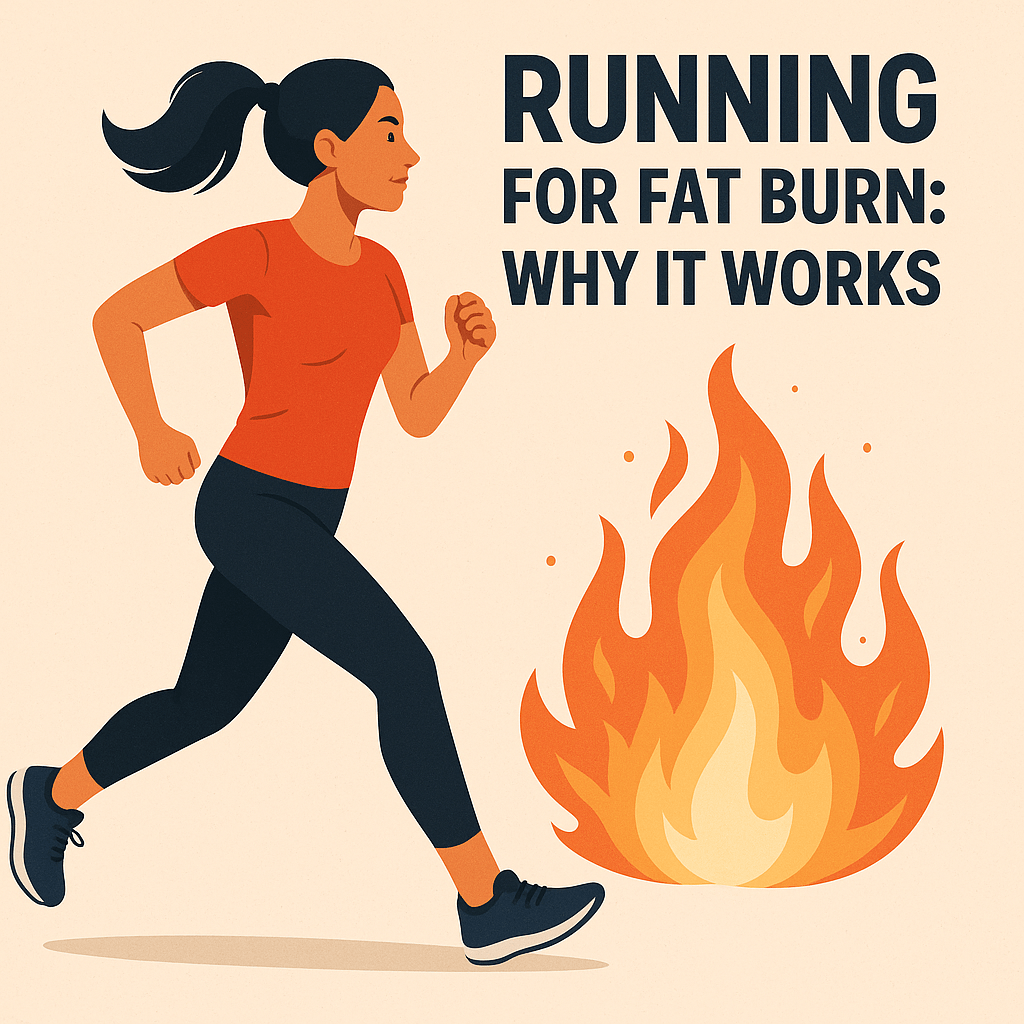
Running is one of the most effective and accessible ways to burn fat and improve overall fitness. Whether you’re jogging around the block or hitting the treadmill, running helps create a calorie deficit, which is essential for fat loss. It boosts your metabolism, burns calories during and after your workout, and improves cardiovascular health.
For best results, combine steady-state runs with interval training. Steady runs help build endurance, while high-intensity intervals torch more fat in less time. Remember, consistency is key—pair your running routine with a healthy diet, stay hydrated, and get enough rest to maximize fat loss.
Lace up and get moving—your fat-burning journey starts with the first step.
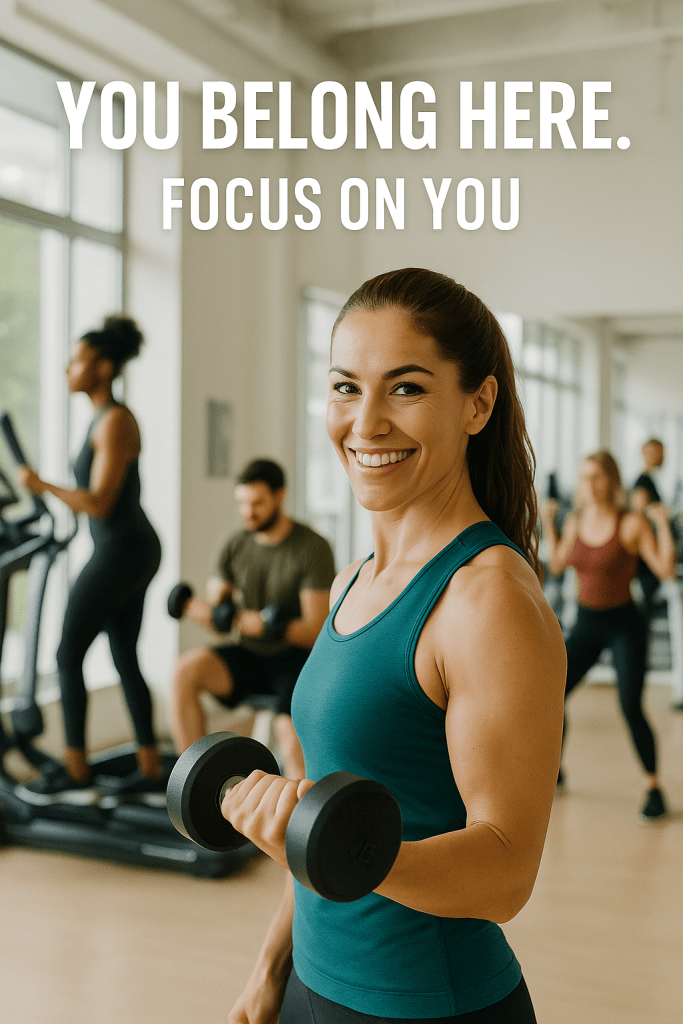
Walking into a gym can feel intimidating—mirrors everywhere, unfamiliar equipment, and people who seem to know exactly what they’re doing. It’s completely normal to feel insecure, especially if you’re just starting your fitness journey. But remember: every person in that gym started somewhere.
Here are a few tips to help you feel more confident:
Have a plan – Knowing what exercises you’re going to do ahead of time helps reduce anxiety and keeps you focused. Start simple – Stick to basic movements you’re comfortable with. As your confidence grows, so can your routine. Go during off-peak hours – Fewer people around means less pressure and more freedom to explore. Use headphones – A good playlist can boost your mood and help you tune out distractions. Remind yourself why you’re there – You’re showing up for you. Everyone is focused on their own goals—not judging yours.
With time, what once felt overwhelming can become a place of strength. Keep showing up—you belong there just as much as anyone else.
Let’s face it—daily tasks can pile up quickly and feel overwhelming. Whether it’s work, chores, errands, or personal goals, having a strategy can make all the difference. The key is simplicity and consistency.
Start each day by writing down 3–5 top priorities. Keep the list realistic and focused. Tackle the hardest or most important task first—this builds momentum and confidence for the rest of the day. Break big tasks into smaller steps, and celebrate small wins to stay motivated.
Avoid multitasking. Focus on one thing at a time, give it your full attention, and then move on. Use time blocks if necessary—30 focused minutes can accomplish more than hours of distracted effort.
Most importantly, be kind to yourself. Progress, not perfection, is the goal. With a little structure and self-compassion, you can stay on top of your daily tasks and feel more in control.
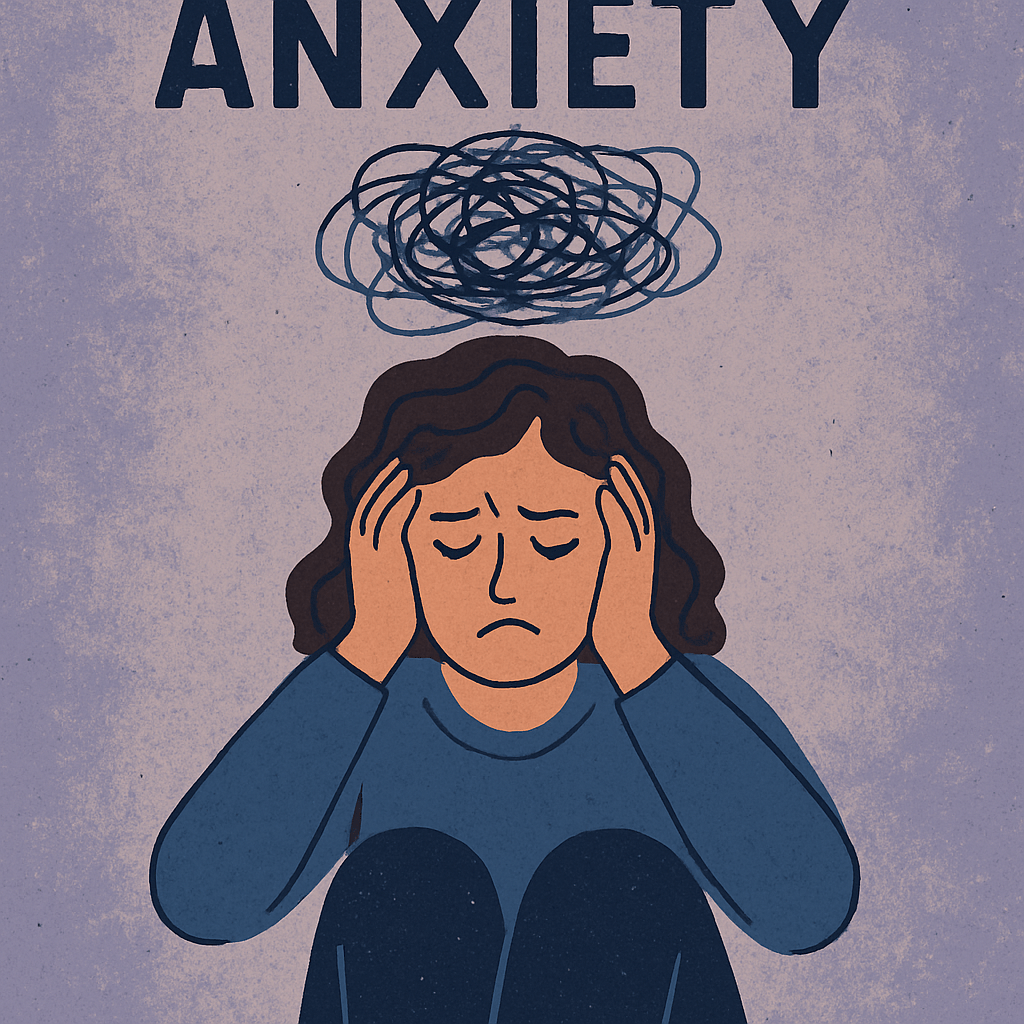
Anxiety is a natural response to stress, but when it becomes overwhelming, it can interfere with daily life. The good news is that there are practical ways to manage it and regain a sense of calm.
Start with your breath. Deep, slow breathing can signal your body to relax. Try inhaling for four seconds, holding for four, and exhaling for four. This simple exercise can ease tension in just a few minutes.
Physical activity is another powerful tool. A brisk walk, home workout, or even stretching can release endorphins that naturally combat anxiety.
Don’t underestimate the power of routine. Sticking to regular sleep, meals, and movement keeps your mind and body grounded.
Finally, talk it out. Whether it’s a trusted friend or a therapist, expressing how you feel can lighten the mental load.
Remember, anxiety doesn’t define you—and with the right habits, you can handle it one step at a time.
Every family carries patterns — some empowering, some painful. For generations, certain behaviors, mindsets, and traumas can silently pass down like heirlooms: addiction, poverty, toxic relationships, emotional repression, or even limiting beliefs about worth and potential. These are often referred to as generational curses. But here’s the truth — they can be broken.
What Is a Generational Curse?
A generational curse isn’t a magical spell; it’s often a cycle of behavior or trauma repeated unconsciously across family lines. It can look like:
Normalizing unhealthy communication Financial instability passed from one generation to the next Emotional neglect or abuse Substance dependency Unhealed trauma or mental health struggles
The good news? You have the power to stop the cycle. And when you do, the change is profound.
1. Healing Begins With Awareness
The first step to breaking a generational curse is acknowledging it exists. You can’t heal what you don’t name. This requires honesty and sometimes difficult conversations with yourself or loved ones. But awareness is the beginning of freedom.
2. Therapy and Support Systems Matter
Therapy, coaching, support groups, or spiritual guidance can help untangle the roots of generational pain. Talking to a trusted professional can help you process past trauma and create new emotional tools for the future.
3. You Become the Cycle Breaker
When you consciously choose not to repeat harmful behaviors — when you parent differently, manage money wisely, speak with kindness, or seek healing — you become a cycle breaker. This is incredibly powerful, not only for you but for future generations.
4. Building a Legacy of Strength
Breaking generational curses isn’t just about stopping the negative — it’s about starting something new. A legacy of emotional intelligence, love, healthy boundaries, financial literacy, faith, and resilience. Imagine the ripple effect this has: your children, your nieces and nephews, your community — all influenced by the healing you began.
5. It’s Okay to Rest and Celebrate
Breaking cycles is not easy. It’s emotionally exhausting at times. Allow yourself rest. Celebrate small victories — the hard conversations, the boundaries set, the therapy sessions, the journaling, the moments you chose peace over chaos. These are monumental steps forward.
You Are Not Alone
You may be the first in your family to choose healing, but you are not alone. More and more people are waking up and choosing to rewrite their family stories. You are strong. You are capable. And your healing doesn’t just change your life — it echoes through generations.
Final Thoughts
Breaking generational curses is a courageous act of love. Love for yourself, for those who came before you, and for those who will come after. You may be the first in your family to do this, but because of you, you won’t be the last.
Staying hydrated is one of the simplest yet most overlooked ways to boost physical performance. Water plays a critical role in regulating body temperature, lubricating joints, and transporting nutrients that give you energy. When you’re even slightly dehydrated—just 1-2% of your body weight in fluid loss—your endurance, strength, and focus can take a noticeable hit.
Dehydration can lead to fatigue, cramps, dizziness, and slower reaction times, which not only impacts your workout quality but also increases the risk of injury. On the flip side, staying properly hydrated helps maintain optimal blood flow, muscle function, and mental clarity.
To perform your best, aim to drink water consistently throughout the day—not just during workouts. A good rule of thumb is to drink about half your body weight in ounces of water daily, adjusting for activity level and heat.
Bottom line: Hydration isn’t just about quenching thirst—it’s a key performance enhancer. Stay ahead of the game by keeping your water bottle close and your hydration habits strong.
Do you have a quote you live your life by or think of often?
When you do a job, make sure to do it right the first time.
In today’s fast-paced world, it’s easy to let family dinners slip through the cracks. Between work, school, and endless to-do lists, sitting down at the table together can feel like a luxury. But it’s more than just a meal — it’s a chance to reconnect, reflect, and recharge.
Studies show that families who eat together regularly tend to be healthier, both emotionally and physically. Conversations flow more naturally over shared meals, helping to build stronger bonds and foster open communication. For kids, it’s a time to feel heard and supported, and for adults, it’s a moment of calm and connection.
Even if it’s just a few times a week, make it a goal to gather around the table without screens, distractions, or rush. The food doesn’t have to be fancy — it’s the presence that matters most. A simple dinner together can go a long way in nurturing a happier, healthier family life.
Running outside offers more than just physical fitness—it’s a full-body and mind experience. Unlike the treadmill, outdoor running engages different muscles due to varied terrain, improving balance and coordination. The fresh air and natural scenery also reduce stress and boost mental clarity, making each run feel less like a chore and more like therapy.
Exposure to sunlight helps your body produce vitamin D, supporting bone health and immune function. Plus, running outdoors can be more motivating and enjoyable, helping you stay consistent in your fitness journey.
So lace up your shoes, step outside, and let nature be your gym!





 Building Strength At Home